





How Truck Drivers Stay Alert and Safe on Long Hauls
Driving long distances puts the body and mind to the test because it causes fatigue, sluggish reflexes, and a higher chance of accidents. This blog will discuss useful strategies for maintaining mental acuity, ranging from healthy sleeping patterns to safe medication. Drivers can lessen fatigue and maintain road safety by being aware of these techniques.
The Challenges of Long-Haul Driving
Driving for many hours makes you tired fast. Changing time zones, eating at odd times, feeling bored, and not sleeping well all add up. Drowsy driving is like drunk driving—it slows your reactions and clouds your judgment. Even nodding off for a moment at 65 mph means you could travel over two football fields without control, which can be deadly. In order to stay awake while driving, truck drivers must learn how to control their energy.
Non-Medical Strategies to Stay Alert
Before turning to pills, try these fundamentals:
1. Prioritize Quality Sleep
- Every single night, aim for 7 to 8 hours of sleep.
- Keep a consistent bedtime, even on days off.
- Use either sleep masks or blackout curtains to stop light from coming in.
- Don’t use screens for at least half an hour before bed.
2. Maintain a Balanced Diet
- Eat protein-rich snacks (nuts, yoghurt) to fuel the brain.
- Choose complex carbs (whole grains, fruits) over sugary treats.
- Keep meals small but frequent—this helps prevent mid-drive crashes.
- Stay hydrated with water; dehydration can cause fatigue.
3. Take Regular Breaks
- Stop every 2–3 hours for a 10–15-minute walk or stretch.
- Doing easy stretches promotes blood flow and provides relief from muscle tightness.
- Short breaks refresh focus more than pushing straight through.
4. Optimize Your Cab Environment
- Set music or radio to upbeat, varied playlists—not relaxing tunes.
- Crack a window for fresh air. Cooler air can help fight drowsiness.
- Adjust seat posture regularly to prevent stiffness and keep blood flowing.
5. Use Light Exercise
- During rest periods, perform leg stretches, shoulder shrugs, and neck rolls.
- Even five minutes of light movement can increase alertness.
Combined, these steps form a solid base. But sometimes, even after a good rest and diet, fatigue still strikes. That’s when OTC options or prescription medications come into play.
Safe Use of Caffeine and Over-the-Counter Options
Caffeine is the most common pick-me-up for drivers. When used wisely, it can sharpen focus:
- Caffeinated Drinks: Coffee, tea, and certain energy drinks help block brain receptors that cause sleepiness. Limit yourself to 200–300 mg of caffeine (about two to three 8 oz cups of coffee) per sitting to avoid jitters or a sudden crash.
- Caffeine Pills: These deliver 100–200 mg per tablet. Take one pill when you start feeling drowsy, not as a routine habit. Always follow the label directions.
- Gum and Mints: Caffeinated gum works faster because it’s absorbed through the cheek lining. One or two pieces can give a quick boost.
- Adaptogens and Natural Supplements: Rhodiola rosea, ginseng, or B-complex vitamins support energy and stress response. They take longer to kick in, so plan ahead.
Keep in mind that overusing caffeine can backfire. Tolerance builds, so your normal cup of coffee might not work as well after a few days. And if you skip sleep in favour of stimulants, you risk impaired judgment and slower reflexes later on. When OTC options aren’t enough, prescription medications can provide a more reliable alertness boost—always under medical advice.
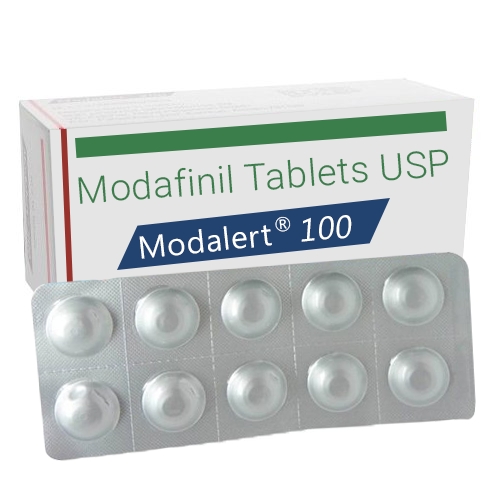
Prescription Medications: Understanding Modafinil (Modalert 100 mg)
Modalert by Modafinil 4 Australia has become a top choice for drivers who must stay awake safely. Originally developed for sleep disorders like narcolepsy, it helps promote wakefulness without the intense highs and lows of typical stimulants.
1. How It Works
Modafinil alters certain neurotransmitters (dopamine and norepinephrine) to increase alertness. Unlike amphetamines, it doesn’t typically cause jittery side effects or rapid heart rate. Many users describe a clear-headed focus rather than a wired feeling.
2. Modalert 100 mg
One popular brand is Modalert 100 mg. Users take it once in the morning or before a long shift. A single dosage typically lasts for an entire driving day due to its half-life of 12 to 15 hours.
- Dosage: Most doctors recommend starting with 100 mg. If fatigue persists, they might increase to 200 mg.
- Onset: Effects usually start within 30–60 minutes.
- Duration: Peak alertness lasts 8–12 hours.
3. Benefits for Truck Drivers
- Sustained Focus: Helps maintain steady attention, reducing lapses during monotonous road segments.
- Mood Stability: Unlike high-dose caffeine or amphetamines, modafinil tends to produce minimal mood swings.
- Low Abuse Potential: It’s not known to cause euphoria or significant cravings, which lowers the risk of dependence.
Always consult a healthcare professional before starting modafinil. Combined with healthy habits, it can form a powerful defence against drowsy driving.
Tips for Safe Medication Use and Health Considerations
Taking meds in the wrong way still puts a person at risk, even when their intentions are good.
1. Consult a Doctor First
- Get a proper evaluation for sleep disorders or underlying issues before using wakefulness drugs.
- Share your full medical history, including heart conditions, psychiatric concerns, or other medications.
2. Follow the Prescribed Dose
- Never take more Modalert than the recommended daily dosage of 100–200 mg.
- Taking more won’t necessarily make you more alert and may cause side effects like headache, nausea, or anxiety.
3. Monitor for Side Effects
- Dry mouth, a slight headache, or mild dizziness are typical side effects.
- Report any severe symptoms—chest pain, rash, or persistent insomnia—to your doctor immediately.
4. Avoid Mixing with Alcohol or Other Stimulants
- Alcohol can worsen fatigue once it wears off, negating modafinil’s benefits.
- Combining multiple stimulants (e.g., too much caffeine plus modafinil) can raise blood pressure and stress your heart.
5. Use as Part of a Balanced Plan
- Never rely solely on medication. Keep sleep, diet, and exercise on track.
- Plan your schedule to allow for short naps or midday breaks when possible.
By handling medications responsibly, you reduce risks and get the most out of their wakefulness boost.
Combining Lifestyle and Medication for Best Results
Medications like Modalert work best when you’ve covered the basics:
- Sleep Schedule: Aim for at least six hours of sleep before a long haul.
- Healthy Eating: Prevent mid-drive hunger by packing balanced meals.
- Breaks: Use your medication’s peak window to push through tough driving stretches. Then schedule a break as soon as you start to feel the effects waning.
This holistic approach keeps energy levels stable. It also lowers your chances of crashing once the medication wears off.
Conclusion
Staying alert on the road is about more than just popping a pill. It requires good sleep habits, smart nutrition, and regular breaks. When drowsiness hits, tried-and-true options like caffeine or natural supplements offer quick help. For more persistent fatigue, prescription medicines such as Modalert 100 mg can provide reliable wakefulness—always under a doctor’s guidance.
At Modafinil 4 Australia, we believe every driver deserves a safe journey. We are committed to supplying high-quality Modalert and offering guidance on its responsible use. Your well‐being on the road remains our top priority.
Frequently Asked Questions
Q1. Is Modalert 100 mg legal for truck drivers in Australia?
Ans. Yes. Modalert (modafinil) is a prescription-only medicine in Australia. You must have a valid prescription from a licensed healthcare provider. Driving with an unprescribed stimulant is illegal and unsafe.
Q2. How soon before driving should I take Modalert?
Ans. Doctors generally advise taking 100 mg of Modalert at least 30–60 minutes before your shift. This timing lets the drug reach effective levels in your system as you begin driving.
Q3. Can I take coffee along with Modalert?
Ans. Combining modest caffeine with modafinil is usually fine. A cup of coffee can enhance alertness. However, avoid excessive caffeine (over 400 mg per day), as it may increase jitteriness or anxiety.
Q4. Are there any long-term risks of using Modalert regularly?
Ans. Long-term, moderate-dose modafinil use appears to carry a low risk if monitored by a doctor. Still, prolonged use without breaks can disrupt your natural sleep cycle. Always discuss extended usage plans with your healthcare provider.
Q5. What should I do if Modalert causes side effects?
Ans. If you experience mild side effects (headache, nausea, dizziness), try adjusting your dose under medical supervision. For severe reactions like chest pain or a rash, stop the medication immediately and seek medical help. Regular check-ups help catch any issues early.