




Night Shift Survival Guide: Boosting Wakefulness the Smart Way
Working while the world sleeps isn’t just tough—it’s a test of your body, mind, and habits. Most night shift advice online? It’s generic, repetitive, and doesn’t tackle the real challenges shift workers face every day.
Whether you’re a nurse powering through a 12-hour ER shift, a developer working across time zones, or a security guard keeping watch in the dark, this survival guide is for you. Packed with practical, science-backed strategies—not fluff—it helps you wake up sharper, sleep better, and feel human again.
Why Night Shifts Feel Like a Constant Battle
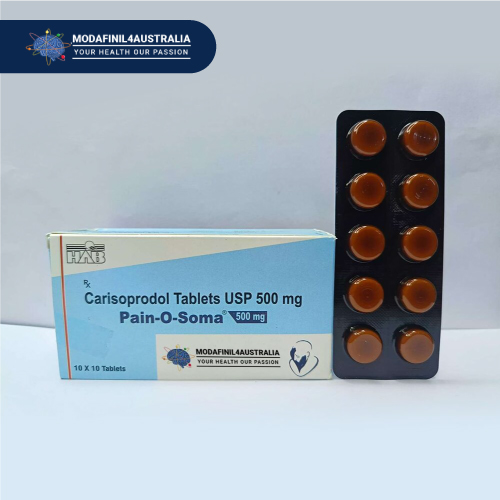
Our bodies are wired to sleep at night. Working against that natural rhythm leads to what’s called Shift Work Sleep Disorder (SWSD)—a condition affecting up to 40% of night workers. It’s not just about being tired. It’s linked to heart disease, diabetes, anxiety, and poor cognitive performance (equivalent to being legally drunk at 3 a.m.). You can’t cheat biology—but you can hack it. Alongside lifestyle adjustments, medications like Soma 500mg—a trusted muscle relaxant—can help ease physical tension caused by long, irregular shifts, allowing your body a better chance to reset and recover between work cycles. Here’s how.
Step 1: Get Started with Your Pre-Shift Strategy
- Nap Smart: Take a 20–45 minute nap 1–2 hours before your shift starts. For up to six hours, it can increase alertness.
- Employ Bright Light Therapy: Spend half an hour each evening sitting in front of a 10,000 lux light box. It tells your brain to wake up.
- Fuel Wisely: Eat a balanced meal with lean protein, whole grains, and light vegetables before work. Skip heavy or greasy foods—they’ll make you sluggish.
- Hydrate Before, Not During: Drink enough water before your shift so you don’t have to overload during. It minimizes unnecessary bathroom trips during sleep hours.
Step 2: Stay Alert During Your Shift
- Schedule a Caffeine-Nap Combo: Drink coffee or tea, then immediately nap for 15–20 minutes early in your shift (or around 2–3 a.m.). You’ll wake up as the caffeine kicks in.
- Move Every Hour: Don’t sit for more than 60 minutes. Walk a lap, do squats, stretch, or do a 5-minute breathing reset.
- Keep Your Environment Lit and Cool: Bright overhead lighting and a workspace around 68°F (20°C) help stimulate alertness.
- Eat Light & Small: Avoid large meals during your shift. Opt for protein-rich snacks like Greek yogurt, almonds, or boiled eggs.
Step 3: The Post-Shift Wind-Down
- Avoid Sunlight After Work: Wear sunglasses on your commute home to block natural light that signals your brain it’s time to be awake.
- Block Your Sleep Environment: Use blackout curtains, earplugs, a white noise machine, and keep your phone on silent. Dark, quiet, and cool is your best bet for solid rest.
- Skip the Nightcap: Alcohol disrupts your deep sleep cycle. Instead, wind down with a warm shower or herbal tea.
- Go to Bed ASAP: Try not to delay sleep with distractions. The longer you stay awake post-shift, the harder it becomes to fall asleep.
Step 4: Long-Term Night Shift Survival
- Keep a Sleep Routine—Even on Days Off: It might suck socially, but sticking to a regular schedule—even on off days—helps your body adjust. Avoid flipping your clock every weekend. Consistency keeps your internal clock from crashing.
- Use Melatonin Wisely: A 0.5–3mg dose taken an hour before sleep can help reset your rhythm. But don’t lean on it daily unless your doctor gives the go-ahead.
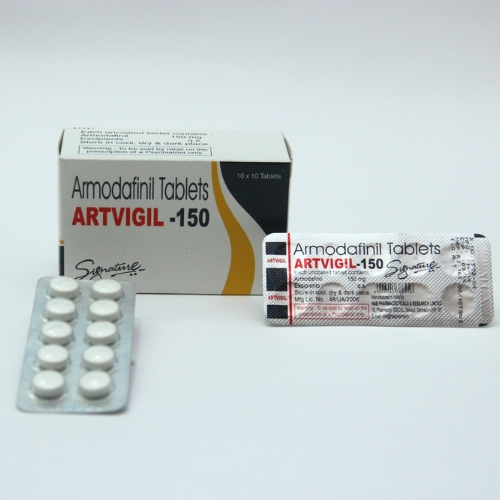
- Consider Smart Wakefulness Aids: For those struggling to stay alert during night shifts, Artvigil 150 mg has become a go-to solution. This wakefulness-promoting tablet, produced by HAB Pharmaceuticals, combats excessive sleepiness and boosts focus, mental clarity, and motivation—without the crash. It’s trusted by thousands worldwide and available affordably through Modafinil4Australia.
- Get Health Checkups: Night shifts raise the risk for chronic issues like high blood pressure, diabetes, and depression. Schedule regular checkups to monitor your health and stay ahead of problems.
- Build a Social Buffer: Isolation hits harder when you’re working while the world sleeps. Make time for connection—set up video calls, join online communities, or grab a pre-shift dinner with loved ones.
Role-Based Night Shift Tips
- Healthcare Workers: Keep snacks at your station, schedule breaks where possible, and rotate shifts forward (day → evening → night) when rotation is needed.
- Security Guards: Use movement to your advantage—walk or patrol regularly. Listen to upbeat music to stay alert.
- Call Center Staff: Use adjustable standing desks or pace during calls. Avoid sugar-laden vending machine snacks.
- Freelancers & Creatives: Use blue light exposure and schedule creative work during peak alertness hours (10 p.m.–2 a.m.). Avoid working in bed.
Concluding Remarks: Reclaim the Night
You don’t have to run on fumes or ruin your health to work nights. With the right plan—one that includes real routines, lighting hacks, caffeine timing, Modafinil, and sleep protection—you can train your body to adapt.
Start small. Try a caffeine-nap this week. Buy blackout curtains. Or fix your pre-shift meal. You don’t have to overhaul your life overnight, but you can stay awake, stay sharp, and stay healthy.
Your night shift can work for you—not against you.
FAQs
Q1: Can I ever switch back to a normal schedule?
Ans. Yes, but do it gradually—shift your wake time 1 hour earlier every few days and use early morning light exposure.
Q2: How much caffeine is too much?
Ans. Keep it under 400mg/day. Cut it 6 hours before your planned sleep time.
Q3: What if I can’t sleep during the day?
Ans. Use blackout curtains, reduce screen time before bed, and try guided meditation apps. See a sleep specialist if your insomnia doesn’t go away.
Q4: Is melatonin safe long-term?
Ans. Short-term use is fine, but it’s not a cure-all. It’s best when paired with light therapy and a solid sleep environment.