




Easy Ways to Improve Alertness at Work
Feeling sluggish halfway through your workday? You’re not alone! Staying alert at work isn’t always easy, but it’s crucial for productivity, performance, and overall job satisfaction. Thankfully, with the right strategies, you can significantly improve alertness at work without relying exclusively on caffeine.
But here’s the good news: achieving sustained alertness at work doesn’t require downing endless cups of coffee or reaching for sugary snacks to stay awake. There’s a whole world of innovative, healthy, and surprisingly simple methods available, many of which you’ve likely never considered before. From quick, science-backed mindfulness techniques and clever workspace adjustments to nutritional hacks and refreshing micro-breaks, these strategies are not only effective—they’re enjoyable to implement.
In this detailed guide, we’ll walk you through practical, easy-to-follow tips proven to improve your mental clarity, boost energy levels naturally, and help you reclaim control over your workday. Ready to transform your afternoons from foggy to focused? Let’s dive in!
Why Alertness at Work Matters More Than You Think
When you hear the phrase “staying alert,” you might picture someone simply trying not to doze off at their desk. But genuine alertness at work goes far beyond avoiding naps—it’s about unlocking your full potential and making every minute count. Imagine effortlessly sailing through tasks, making decisions with confidence, and tackling problems with laser-sharp focus. That’s the power of real alertness.
Every moment of clarity at work directly translates to higher efficiency, fewer errors, and increased innovation. Alertness isn’t just beneficial—it’s the hidden catalyst behind outstanding performance and job satisfaction. Think about it: when your mind is clear, your creativity blossoms, your motivation skyrockets, and stress melts away.
On the flip side, prolonged fatigue doesn’t just slow you down—it quietly diminishes your potential, leading to mistakes, frustration, and burnout. Alertness is your invisible edge, transforming ordinary workdays into extraordinary achievements.
Before we dive into solutions, it’s essential to understand why alertness is vital at your job:
- Boosted Productivity: Clear-headed workers perform tasks faster and more accurately.
- Reduce Errors: Staying alert decreases costly mistakes.
- Improved Decision-Making: Alert individuals make smarter, quicker decisions.
- Enhanced Job Satisfaction: Feeling energetic and alert contributes to overall happiness and reduced burnout.
Now let’s explore practical ways how to stay awake at work and keep your productivity high.
Simple Ways to Improve Alertness At Work
If you’ve ever battled through afternoon drowsiness or found yourself rereading the same sentence three times without absorbing a single word, you know exactly how draining workplace fatigue can be. But what if improving your alertness was simpler than reaching for another espresso? The truth is, staying sharp doesn’t require drastic lifestyle changes or complex rituals—it’s often the smallest adjustments that produce the biggest transformations.
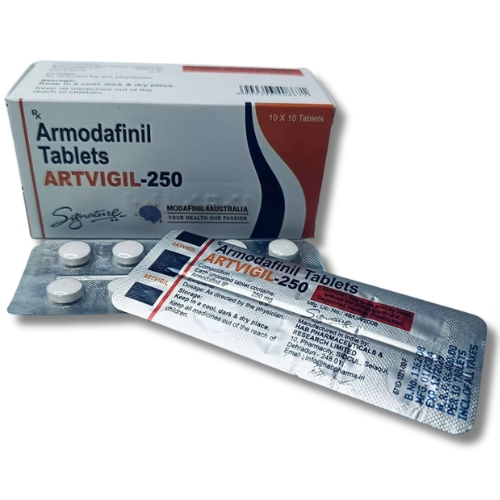
In this section, we’ll explore refreshingly easy, science-backed ways to wake up your brain and keep energy slumps at bay. From clever workspace tweaks and nutritional shortcuts to tiny mindfulness exercises you can practice right at your desk—plus smart solutions like Artvigil 250 Mg, a popular nootropic known for enhancing focus and promoting wakefulness—these innovative yet effortless strategies will help you reclaim your productivity, supercharge your focus, and energize your entire workday.
Say goodbye to mid-afternoon crashes and hello to vibrant, focused productivity—let’s get started!
- Optimise Your Work Environment: Your environment significantly impacts your alertness.
- Let in Natural Light: Sunlight naturally boosts mood and energy levels by regulating your body’s circadian rhythm. If possible, position your workspace near a window or invest in daylight bulbs.
- Keep Your Desk Organised: A cluttered desk equals a cluttered mind. Organise regularly to improve your concentration and reduce fatigue caused by distractions.
- Introduce Greenery: Plants in your workspace are not only good-they’ve been significantly shown to improve air quality and boost productivity.
Nutrition and Hydration: Fuel Your Focus
What you eat directly influences your energy, focus, and overall mental performance throughout the day. Think of your body as a high-performance machine—if you fuel it with the right nutrients, it runs smoothly, efficiently, and powerfully. But if you load it with sugary snacks, processed foods, or skip meals entirely, you’re setting yourself up for a sluggish, unfocused day filled with energy crashes and brain fog.
Consistent hydration and a balanced diet are essential for maintaining alertness. Incorporating protein-rich snacks, complex carbohydrates, healthy fats, and fiber keeps your blood sugar stable—delivering a steady stream of energy to your brain. Meanwhile, staying hydrated is just as crucial. Your productivity can be negatively impacted by even mild dehydration, which can cause headaches, exhaustion, and trouble focusing.
Want to stay sharp at work? Start by rethinking what’s on your plate and in your cup. Simple tweaks like swapping out chips for a handful of almonds, or choosing water over soda, can have an instant impact on your clarity and stamina. And for those needing an extra edge, Modalert 200 Mg—a trusted alertness tablet—can help enhance focus and fight daytime fatigue without relying on caffeine or sugary energy drinks. After all, feeding your brain right is one of the smartest ways to boost your alertness naturally.
- Smart Snacking: Opt for snacks rich in protein, healthy fats, and fiber-nuts, seeds, Greek yogurt, berries, and whole-grain snacks. These choices maintain steady blood sugar levels, preventing afternoon crashes.
- Stay Hydrated: Dehydration leads directly to fatigue. Maintain a reusable water bottle on your desk and take regular sips. Aim for at least 8 glasses per day.
- Mindful Caffeine Intake: Enjoy your coffee or tea in moderation, ideally before noon. Over-caffeination later in the day disrupts sleep and, paradoxically, makes you more tired.
Movement and Mindfulness Breaks
When your brain starts to drift and your body feels like it’s glued to the chair, it’s a clear sign you need to reset—and that’s where movement and mindfulness come in. Far from being distractions, short bursts of physical activity and intentional mental pauses can be powerful tools to recharge your focus and elevate your alertness.
Even just a quick stretch, a brisk walk around the office, or standing for a few minutes can stimulate blood flow, increase oxygen to your brain, and shake off that creeping fatigue. Pair that with a simple mindfulness technique—like focused breathing or a two-minute body scan—and you’ve got a double boost for both body and mind.
These micro-breaks don’t require a gym or meditation mat. They’re subtle, accessible, and surprisingly effective. The best part? They keep you awake, but they also keep you in the moment. You can train your mind to be more resilient, aware, and involved throughout the day by paying attention to your body and your breathing. It’s productivity, powered by pause.
Sitting all day can sabotage alertness, no matter how interesting your tasks are.
- Stretch Regularly: Every hour, take 2-3 minutes to stretch your arms, legs, back, and neck. Stretches or quick desk yoga significantly increase alertness and circulation.
- Short Walks: Whenever possible, take a 5-minutes walk around the office, home, or outdoors. This physical movement will quickly refresh your mind.
- Breathing Exercise: Use the 4-7-8 breathing technique (inhale 4 seconds, hold for 7, exhale for 8). Breathing techniques increase oxygen flow and mental clarity, instantly reviving you.
Prioritise Quality Sleep to Enhance Daytime Alertness
Improving sleep quality has profound impacts on daytime alertness.
- Consistent Sleep Schedule: Go to bed and wake up at the same time daily to regulate your internal clock, even on weekends.
- Screen-Free Wind-Down: Avoid digital screens at least 30 minutes before bedtime. The blue light emitted from the screen disrupts melatonin production and diminishes sleep quality.
- Sleep-Friendly Environment: Make your bedroom cool, quiet, and dark. Consider blackout curtains, earplugs, or sleep masks to promote deeper sleep.
Effective Time and Task Management
How you structure your day also affects your alertness.
- The Pomodoro Technique: Use 25-minute intense focus periods followed by a 5-minute break. This technique maintains a high level of alertness throughout your day.
- Set Task Priorities by Energy Levels: Plan your most difficult tasks for when you’re most alert, which is typically in the morning, and your simpler tasks for when you’re feeling less energetic.
- Limit Multitasking: Multitasking can feel productive but actually reduces concentration. Tackle one task at a time to maximize your cognitive resources.
Innovative Alertness Boosters You Haven’t Tried Yet
If the above methods seem standard, here are innovative alternatives to keep you awake:
- Essential Oils for Instant Energy: Peppermint, eucalyptus, and citrus scents increase brain activity and alertness almost instantly.
- Cold Exposure Techniques: Splash your face with cold water or apply a cold towel to your neck for immediate alertness.
- Brain-Boosting Sounds: Try ambient music, white noise, or binaural beats designed specifically to enhance concentration.
Recap: Quick Alertness Checklist for Your Workspace
Here’s your easy-to-follow recap of proven alertness strategies:
- Workspace: Natural light, organized desk, greenery
- Nutrition: Healthy snacks, regular hydration, mindful caffeine intake
- Movement: Hourly stretching, brief walks, breathing exercises
- Sleep: Consistent schedule, screen-free bedtime, optimal sleep environment
- Task Management: Pomodoro technique, energy-based task scheduling, avoid multitasking
- Innovative Tips: Essential oils, cold exposure, brain-enhancing sounds
Conclusion
Enhancing your alertness at work isn’t about pushing harder—it’s about working smarter. By incorporating small yet effective strategies like smart nutrition, mindful movement, hydration, and optimizing your workspace, you can stay energized and focused without burning out. These easy habits don’t just help you stay awake—they elevate your mental clarity, productivity, and overall performance throughout the day.
But for those facing consistent fatigue or high-demand cognitive tasks, lifestyle changes alone might not be enough. That’s where Modafinil comes into the picture. As one of the most researched and widely used nootropics in the world, Modafinil offers a science-backed way to support sustained wakefulness and laser-sharp focus—especially in high-performance environments. While not a replacement for healthy habits, it can be a valuable tool when used responsibly and with proper knowledge.
The bottom line? Start with simple, daily changes—and if you’re curious about enhancing your cognitive edge even further, Modafinil-4-Australia.com and Leading Edge Info Solutions are here to guide you with the insights and resources you need. Your most alert, productive workdays are closer than you think.
FAQs
Q1. What is the most effective way to stay alert at work naturally?
Ans. Stay alert by getting quality sleep, staying hydrated, taking movement breaks, eating balanced meals, and using quick mindfulness techniques.
Q2. Can Modafinil help improve alertness at work?
Ans. Yes, Modafinil enhances focus and reduces fatigue, making it popular among professionals needing high mental performance.
Q3. Is it safe to use Modafinil for workplace performance?
Ans. Modafinil is generally safe when used responsibly. Always consult a doctor before use to avoid side effects or misuse.
Q4. Who typically uses Modafinil to boost work performance?
Ans. High-performing individuals like doctors, students, entrepreneurs, and traders often use Modafinil to maintain focus and energy.
Q5. Where can I find reliable information about Modafinil?
Ans. Visit Modafinil.com for expert guidance, research-based info, and user insights on safe and effective use.