





How to Stay Energized All Day Without Relying on Caffeine
Because everything moves so fast today, using caffeine is common for people who want to stay awake. Many people believe caffeine can quickly fight tiredness with just one cup or bottle. At the same time, depending on stimulants can make it hard to stay alert and calm at night. The positive side? It’s possible to stay lively throughout the whole day without drinking caffeine. Making little changes to your everyday routine can ensure you keep having energy and staying productive all day.
Understanding Energy Levels: Beyond Caffeine
Before diving into caffeine-free energy solutions, it’s important to understand what affects our energy levels. Factors such as nutrition, sleep, exercise, hydration, and mental health play significant roles in how energized we feel. Instead of turning to a quick caffeine boost, focusing on these key areas can help regulate your body’s natural energy levels, preventing the need for external stimulants.
1. Eat a Nutritious Breakfast to Start Your Day
Your daily energy depends greatly on the food you have in the morning. Skip the sugary cereals or pastries and opt for a balanced meal rich in protein, fiber, and healthy fats. By stabilising blood sugar levels, these nutrients help you stay energised for hours on end.
Example Breakfast Ideas:
- A smoothie with spinach, berries, protein powder, and chia seeds.
- Oats with almond butter, sliced banana, and a sprinkle of flaxseeds.
- Avocado toast with a poached egg on whole-grain bread.
In contrast to the rapid spikes and crashes brought on by sugary foods, protein and healthy fats offer a consistent flow of energy.
2. Hydrate Throughout the Day
A lot of the time, being exhausted is due to dehydration. Even mild dehydration can make you feel sluggish and unfocused. Drinking water first thing each morning is important for your level of hydration during the day. Adding a pinch of sea salt or electrolytes to your water can help replenish essential minerals lost during the day, keeping your body functioning optimally.
Aiming for around eight 8-ounce glasses of water is a general guideline, but individual needs can vary depending on your activity level and climate. If you don’t drink unless you feel thirsty, there might already be a lack of water in your body.
3. Prioritize Quality Sleep
Good-quality sleep is the foundation of sustained energy. If you’re not getting enough rest, no amount of caffeine or quick fixes will make up for it. Sleeping for seven to nine hours every night is common for an adult.
A consistent sleep schedule, avoiding screens before bed, and creating a calming bedtime routine can all help you get the deep, restorative sleep your body needs.
Sleep Tips:
- Keep your room dark and cool to create a sleeping-friendly atmosphere.
- Avoid caffeine and alcohol late in the day, as they can disrupt sleep cycles.
- Before going to bed, engage in relaxation exercises like deep breathing or meditation.
4. Incorporate Regular Exercise
It may sound counterintuitive, but exercising can actually boost your energy levels. Regular physical activity improves circulation, increases oxygen delivery to your cells, and releases endorphins—your body’s natural “feel-good” hormones.
You don’t have to commit to hours at the gym. Your energy and focus can be improved by short bursts of activity, such as a quick yoga session, a brisk walk, or some light stretching. Making an effort to exercise for about 30 minutes each day except for rest days is beneficial.
5. Take Breaks and Move Throughout the Day
Sitting for long periods can drain your energy. Taking breaks every hour to stretch, walk around, or just move your body for a few minutes can keep your circulation flowing and your mind fresh.
If you have a sedentary job, set a timer every 60 minutes to remind yourself to get up and move. Even a few minutes of stretching or walking around can help prevent that afternoon slump.
6. Mind Your Mental Health
Your mental health directly impacts your physical energy. Stress, anxiety, and negative emotions can drain your vitality and leave you feeling exhausted. Managing stress through mindfulness techniques such as meditation, deep breathing exercises, or journaling can help you maintain mental clarity and energy.
Additionally, positive social interactions and regular moments of laughter can give you a natural energy boost. Taking time each day for self-care, whether it’s reading, taking a walk in nature, or simply unwinding with your favorite music, can recharge your mental batteries.
7. Opt for Adaptogenic Herbs
Substances called adaptogens naturally support the body in regulating stress and maintaining equilibrium. Incorporating adaptogenic herbs into your routine can help improve energy levels, support your immune system, and reduce the negative effects of stress. Popular adaptogens include:
- Ashwagandha: Known for reducing stress and boosting overall energy.
- Rhodiola Rosea: Helps increase stamina and reduce fatigue.
- Ginseng: frequently used to increase physical stamina and mental clarity.
You can find these herbs in supplement form, or they can be added to teas and smoothies.
8. Supplement Your Diet with Modafinil for Focus
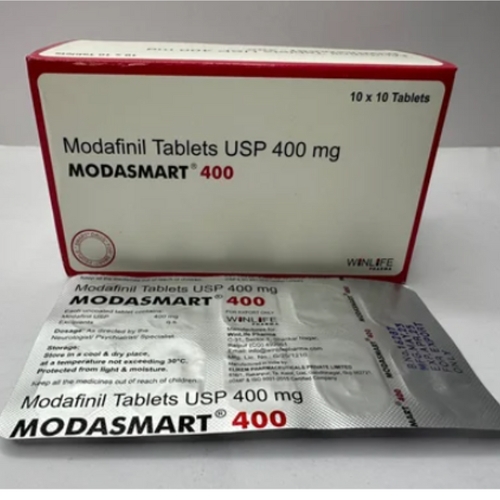
While we’ve explored natural ways to stay energized, sometimes we need an extra boost to keep our minds sharp and focused, especially when fatigue is overwhelming. One such supplement is Modafinil, a cognitive enhancer that promotes wakefulness without the crash that caffeine can cause.
Narcolepsy and other sleep disorders are frequently treated with Modasmart 400 mg from Modafinil 4 Australia. However, it’s also becoming increasingly popular among individuals who need to stay focused and energized for long hours. Unlike caffeine, Modafinil affects neurotransmitters in the brain, helping to increase alertness and concentration without the jittery side effects.
When taken responsibly, Modafinil can be a helpful tool for staying alert during intense work periods or long shifts without disrupting your natural sleep patterns. However, it is essential to consult a healthcare provider before using Modafinil, especially if you have any underlying health conditions.
9. Consume Energy-Boosting Foods
Your diet plays a significant role in maintaining consistent energy levels. Opt for nutrient-dense, whole foods that release energy slowly throughout the day, such as:
- Whole grains: Oats, quinoa, and brown rice provide slow-releasing carbs that maintain energy.
- Fruits and vegetables: Packed with vitamins, antioxidants, and fiber, these foods keep your energy stable.
- Nuts and seeds: Great sources of healthy fats, protein, and fiber that provide a steady energy supply.
Avoid processed snacks, which often lead to a sugar spike and subsequent crash, leaving you feeling more tired than before.
Conclusion
Staying energized all day without relying on caffeine is possible by adopting a healthy lifestyle that prioritizes sleep, hydration, balanced nutrition, exercise, and stress management. However, there are times when a little extra support is needed. That’s where products like Modasmart 400 mg can help. At Modafinil 4 Australia, we aim to provide our customers with reliable, effective solutions for staying alert and energized. Remember, the key to sustainable energy is consistency in how you take care of your body.
FAQs
Q1: Can I really stay energized without caffeine?
Ans. Yes, by focusing on proper hydration, good nutrition, regular exercise, and stress management, you can maintain steady energy levels throughout the day without caffeine.
Q2: How much sleep do I need to stay energized?
Ans. The average adult needs between 7-9 hours of sleep per night to feel fully rested and energized. Consistency in your sleep schedule is key.
Q3: Are there any side effects to taking Modafinil?
Ans. Modafinil is generally well-tolerated, but it can cause side effects like headaches, dizziness, or trouble sleeping. It’s essential to consult with a healthcare provider before use.
Q4: How often should I take breaks during the day?
Ans. Ideally, you should take a break every hour to move, stretch, or change positions. Short, frequent breaks help maintain focus and prevent fatigue.
Q5: What foods should I avoid for better energy?
Ans. Avoid processed foods, sugary snacks, and excessive caffeine. These can lead to energy crashes and make you feel more tired throughout the day.