




Night Shift Survival Guide: Boosting Wakefulness the Smart Way
Working the night shift isn’t just a schedule—it’s a lifestyle shift that flips your body clock, messes with your energy levels, and challenges your mental focus. While some thrive under neon lights and midnight silence, most people struggle with drowsiness, low energy, and disrupted sleep.
If you’re among the millions who burn the midnight oil, this guide will help you stay alert, sharp, and productive during night shifts—without relying on sugar rushes or endless coffee refills.
The Body vs. The Clock: Why Night Shifts Hit Hard
Let’s get real—our bodies were wired for sunlight. The human circadian rhythm naturally leans toward sleeping at night and staying active during the day. When you work a night shift, you’re forcing your brain to fight against its natural wiring. That’s why your alertness dips, your mood swings, and even simple tasks feel harder.
However, the good thing about this is that your brain and body can adapt to this. With the right tricks and lifestyle tweaks, you can hack your wakefulness and actually thrive through the night.
Signs You’re Not Coping Well With Night Shifts
Before jumping into solutions, let’s look at some red flags that your current coping strategies aren’t cutting it:
- Constant brain fog
- Frequent yawning and eye strain
- Mood swings or irritability
- Unhealthy cravings (sugar, caffeine overload)
- Micro-naps or zoning out mid-task
If this feels familiar, don’t worry—you’re not alone. And you’re not in this situation at all.
Smart Ways to Boost Wakefulness Naturally
1. Master Your Sleep Game
Sleep is everything. Working nights doesn’t mean skipping rest—it just means shifting it. Here’s how to make it work:
- Darken your room: Invest in blackout curtains or a quality sleep mask.
- Cut the noise: Put on earplugs or white noise generators.
- Stick to a routine: Sleep and wake at the same time every day, even on off days.
- Avoid screens before bed: Your brain remains alert when exposed to blue light. Wind down with something analog.
2. Eat Like an Energy Ninja
Heavy, greasy meals make you sluggish. Instead, go for light, high-protein, fiber-rich meals that release energy slowly:
- Good: eggs, grilled chicken, nuts, yogurt, fruits
- Avoid: pizza, fries, soda, too much caffeine
Snacks like almonds or protein bars during your shift can help sustain focus without the crash.
3. Hydration = Focus
Dehydration can feel like fatigue. Drink water frequently and keep a bottle handy. Avoid relying on energy drinks—they might give you wings, but the crash will ground you hard.
4. Use Light as a Weapon
Bright light signals your brain that it’s daytime. If your workplace is dim, use a light therapy lamp for the first few hours of your shift. This tricks your body into staying alert and suppresses melatonin production—the hormone that makes you sleepy.
5. Move That Body
Staying seated all night? That’s a fast track to drowsiness. Mini walks, stair runs, or even light stretching every 90 minutes can reboot your energy. Physical activity boosts the circulation of blood and clears up of the brain.
When You Need a Little Extra: Cognitive Support
Sometimes, lifestyle tweaks just aren’t enough—especially during back-to-back shifts or when your brain feels like it’s swimming through molasses. There, some professionals can use cognitive enhancers.
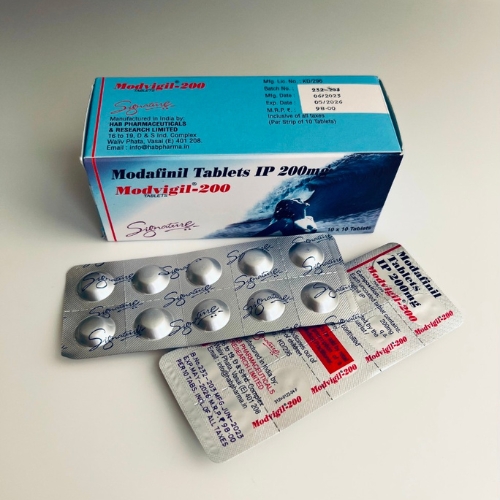
One such option is Modvigil 200mg. It’s a wakefulness-promoting agent used by shift workers, students, and professionals who need sustained mental sharpness. While it’s not a casual “pick-me-up,” it’s known for its ability to increase focus, fight fatigue, and extend wakefulness for up to 12+ hours. That said—use responsibly, stay informed, and always prioritize overall health alongside performance.
Shift-Friendly Habits That Make a Difference
Even small daily choices stack up to major improvements:
- Limit blue light after your shift: Block it with glasses or filters if you’re scrolling before bed.
- Avoid stimulants close to bedtime: Coffee or Modvigil should be taken earlier in the shift, not near your sleep window.
- Don’t overdo naps: A mid-shift 15–20 minute nap can be a lifesaver. However, longer naps may cause you to feel drowsy.
- Have a “shutdown ritual”: Just like people wind up before work, have a routine that winds you down. Do anything that helps your brain go from “alert” to “asleep,” such as stretching, taking a shower, or listening to music.
Mental Health Matters Too
Night shifts can feel isolating. You’re awake while others sleep. Ignoring this disconnect can result in anxiety or depression. Make time for real human connection—video call a friend, share a meal with family, or talk to coworkers. Also, stay physically active on your off days to regulate your mood and mental well-being.
Conclusion:
Night shift life doesn’t have to drain you. With smart routines, healthy habits, and support from well-chosen tools like Modvigil 200mg, you can stay productive, focused, and energized—even when the rest of the world is sleeping.
Modafinil 4 Australia understands the demands of modern work life. Their range of wakefulness aids is trusted by professionals who value mental clarity and endurance without the crash.
FAQs
Q1. Is it healthy to work night shifts long-term?
Ans. Night shifts come with risks, but with proper sleep, nutrition, and mental health support, many people manage them well long-term.
Q2. How can I reset my sleep schedule after working nights?
Ans. Gradually adjust your sleep times over several days. To transition back, expose yourself to morning light and stay away from stimulants in the afternoon.
Q3. What is Modvigil 200mg used for?
Ans. Modvigil 200mg is commonly used to promote wakefulness in people with sleep disorders or those working non-traditional hours. It helps boost alertness and focus.
Q4. Can I drink coffee with Modvigil 200mg?
Ans. Yes, but with caution. Both are stimulants. Combining them can increase heart rate or anxiety, so monitor your response and don’t overdo it.
Q5. What should I avoid after my night shift ends?
Ans. Avoid caffeine, screen time, and heavy meals right before bed. These may cause sleep deprivation and delay.